

Every developer I know can open a PR, but freezes when it is time to hit “publish” on a post. The good news: you do not need to become an influencer—you just need to stop being invisible.

You are already on a social network (and it is GitHub)
Before thinking about LinkedIn or X, look at what you already have. Your GitHub is a social network: it has a profile, followers, an activity feed, and a README that works as a bio. The difference is that it speaks your language—code.
Start by fixing the basics. A decent profile README, a few repositories with real descriptions (not “my project”), and commits that tell a story. That is already a public presence, and it is the most honest kind there is: it shows what you do, not what you say you do.
Show the work, not the hype
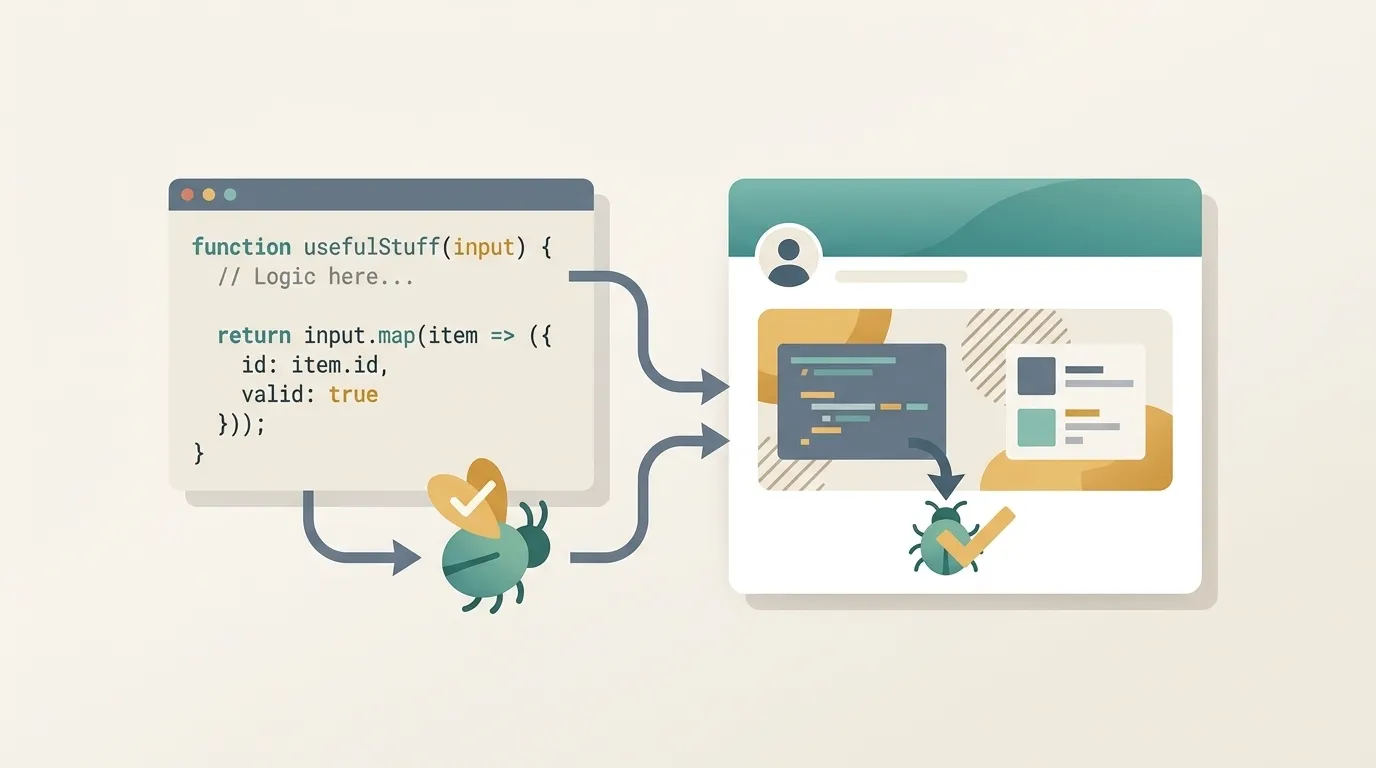
The formula that works in tech is almost boring in its simplicity: show real things. A strange bug you tracked down, a config snippet that saved an hour, a “learned this today” post about a database index. Nobody is waiting for another motivational thread.
dev.to and a company blog work well for long-form content; LinkedIn and X are better for short updates. The rule fits in one line: if it helped you, it will probably help someone else. And showing the process—including the dead ends—is worth more than announcing only the polished victory at the end.
Personal branding without the cringe
“Personal branding” sounds like something from a coaching ad, I know. But the concept is ridiculously simple: it is what people remember about you when your name comes up. You already have one, whether you want it or not—the only choice is whether you take part in shaping it.
The antidote to cringe is being specific and being yourself. “Digital transformation specialist” says nothing. “I write about Postgres and things breaking in production” says everything. Talk the way you would talk to a colleague over coffee, not like a corporate press release.
Consistency beats going viral

A viral post is luck. Thirty average posts spread across the year are a portfolio. Consistency wins because it compounds: everything you publish becomes a point of contact that keeps working for you while you sleep.
Aim for something sustainable, not heroic. One post a week that you can keep up is worth more than seven on an enthusiastic Monday followed by silence for the next two months. Lower the bar for “perfect” quality and raise the bar for frequency.
The pitfalls: comparison, noise, and burnout
The feed is a comparison machine. You see the best version of other people and the chaotic behind-the-scenes of your own day. It is unfair by design—remember that whenever you start feeling behind in life.
There is also the noise: following more people than you can process turns into anxiety disguised as “staying up to date.” Trim your list without mercy. And watch out for creative burnout: if posting has become a painful obligation, take a break. The internet will still be there when you come back.
Start small. Fix your README this week, write a paragraph about something you solved, and hit publish. The first time is the strangest of all—after that it becomes a habit, and habit is the only thing that compounds.